Opening a familiar board game and finding an empty component space can lead directly to a search for “replacement piece.” Pause long enough to identify the exact game and the missing item first. A title shared across editions, languages or expansions may not describe the component required. The useful output is a concise maker enquiry that lets the appropriate publisher understand the request, not an assumption that every replacement is available or interchangeable.
Identify the box actually in the home
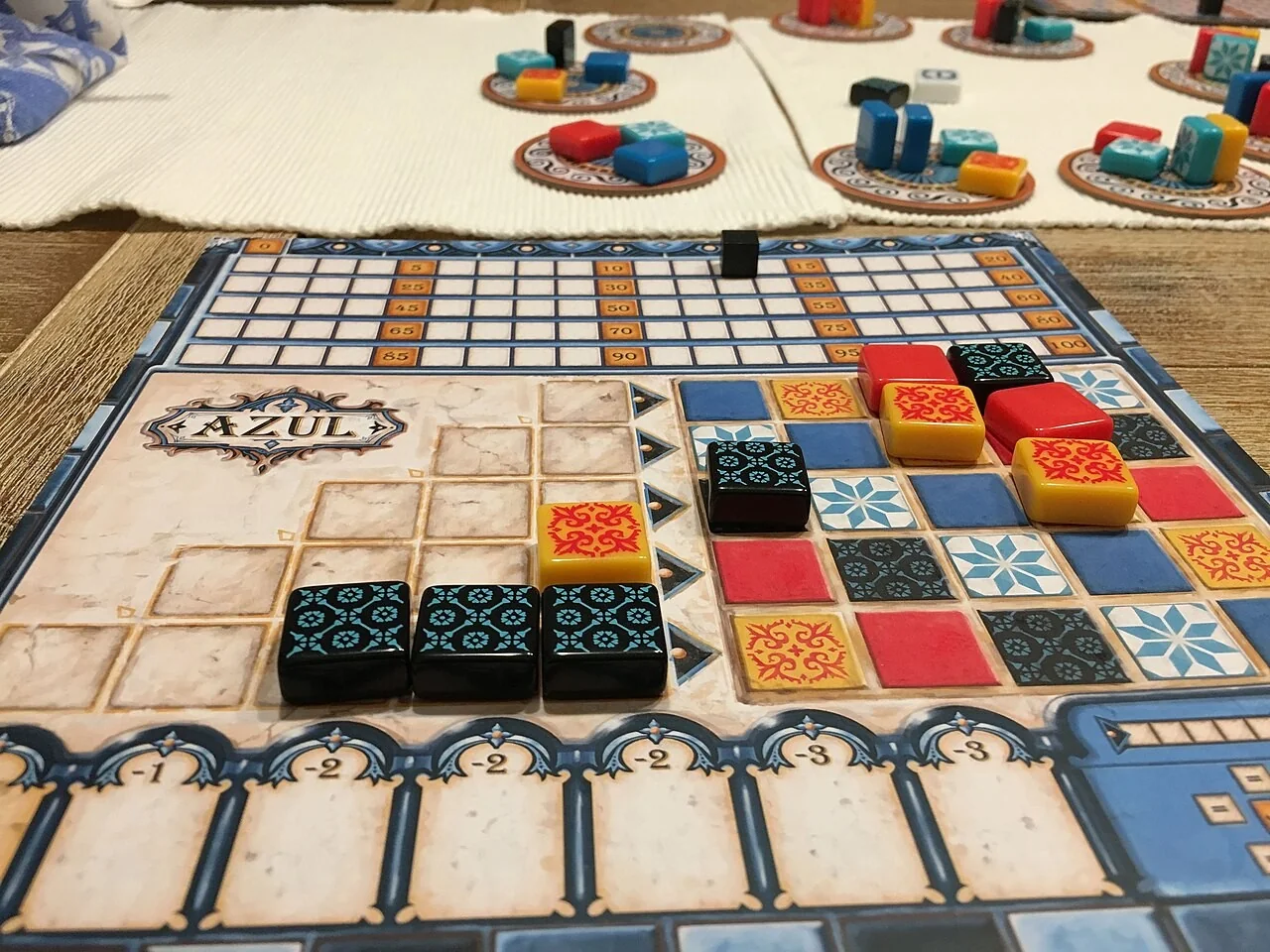
Read the publisher, title, edition and language information on the actual box and rules. Distinguish the base game from any expansion mixed into its storage. A purchase-page photograph may show a newer package or a different market version, so it should not silently replace the information on the item owned.
If the history is uncertain, say so. A secondhand game may contain an owner's homemade organizer or pieces from another edition. Do not use the organizer's compartments as a definitive contents list. Locate the applicable rules or maker's component information and keep any remaining uncertainty attached to the request rather than turning a visual guess into an exact part identity.
Use the publisher's component language
Compare the actual contents with the relevant component list. Name the missing item as precisely as that material allows, including the quantity. A description such as “one blue wooden piece” may leave several possibilities. A reference to a named component, player color or illustrated rules entry can be more useful without requiring the reader to invent a catalog part number.
For a hypothetical game, imagine that one player marker is missing while all scoring tokens are present. Saying “a token is missing” loses that distinction. An appropriate photograph of the corresponding intact component can help if the publisher requests it, but it should not become proof that a superficially similar piece from another edition is compatible.
Follow the actual maker's route
Stonemaier Games provides a concrete publisher example: its U.S./international store help directs owners of English-language products with missing or damaged components to a form and points owners of other language versions to different information. That distinction supports checking the actual language and publisher route. It does not establish a universal board-game replacement policy.
Use the known official site to reach the relevant process. Check the information and eligibility requested there before sharing personal details. Do not assume the original retailer, a regional distributor and the publisher perform the same role. Where the actual route is unclear, ask the publisher which channel applies rather than submitting the same private information to several unofficial sites.
Separate the request from a supply promise
A completed form means an enquiry has been made. It is not proof that the piece exists in stock, that it will be free, that it can be shipped to a particular country or that it will arrive before a planned game night. Read the actual response and applicable terms before relying on any of those outcomes.
If timing matters, keep the social plan flexible. A different complete game may be a better choice for the evening than an improvised component that changes play without agreement. This article does not decide which substitutions preserve a game's rules or advise creating a replica of protected material. Ask the maker when the missing part has a specific function or the proposed substitute is uncertain.
Decide what belongs in the enquiry
A useful first message can include the exact title, publisher, edition or language information available, the named missing component, quantity, and the applicable component-list reference. Include purchase or batch information only as the actual process requests. Avoid publishing an address or order record in a public discussion to make the request appear complete.
Keep the message factual. “This piece was not found when the contents were checked” is different from claiming a factory defect when the game's history is unknown. Likewise, a damaged part should be described without inventing the cause. Clear uncertainty can help the publisher answer the right question without turning a routine request into an unsupported accusation.
Sources & further reading
Published sources for the details and examples discussed in this story.