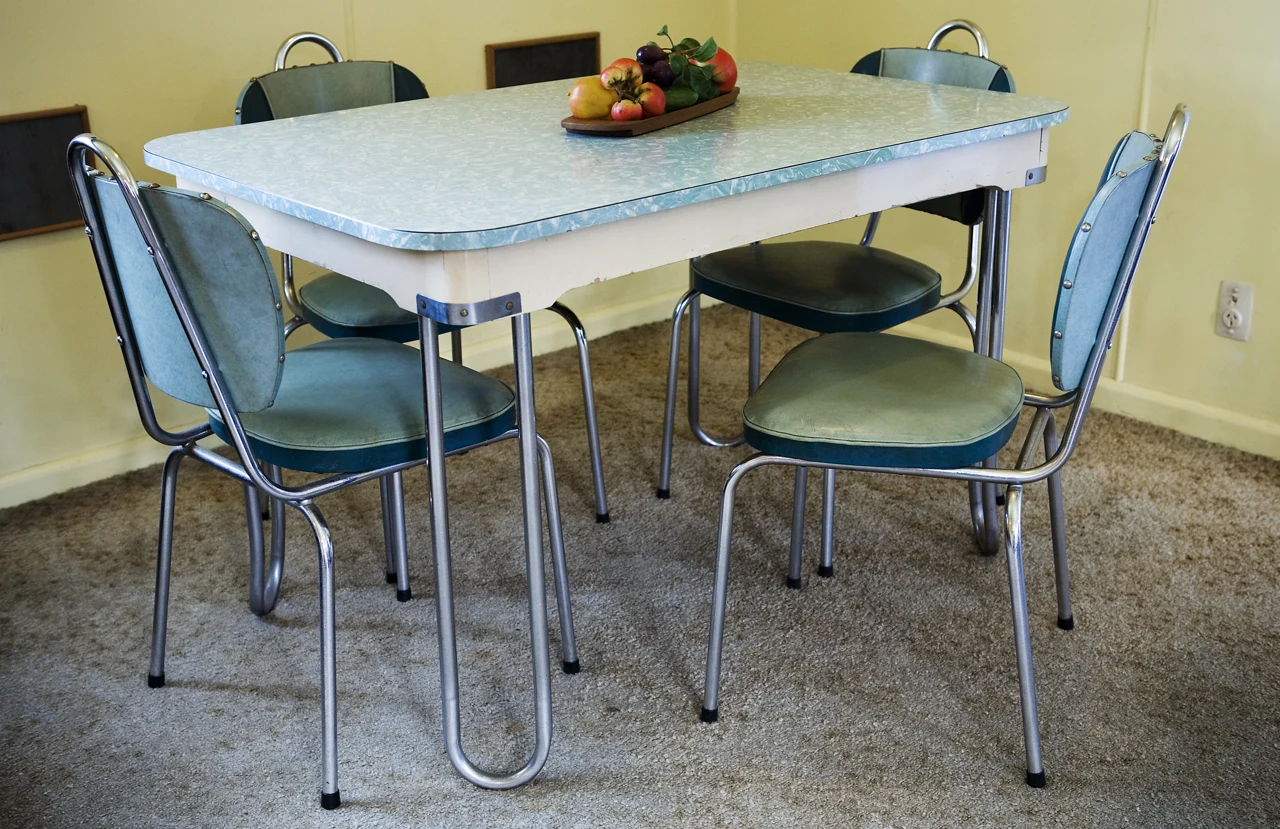
A recurring family supper can become difficult to recognize once its requirements grow: the same meal, the full household, a particular table arrangement and an evening with no competing plans. Before long, missing one element feels like missing the tradition altogether. A smaller custom can leave more room for the people who are meant to enjoy it. The Library of Congress describes family folk traditions as ranging from elaborate occasions to simple parts of everyday routines. That is useful context for considering a household custom, rather than a prescription for how often a family should eat together. The two supper scenes below are invented examples. They make no claim about a real family's experience or a guaranteed benefit from shared meals.
Ask which detail people would miss
In the first imagined household, Sunday supper began with one person choosing a song while everyone settled at the table. Over time, the occasion acquired a special menu, cloth napkins and an expectation that all five family members would attend. When two people have other commitments, the remaining three wonder whether it is worth doing at all.
Their first useful conversation is not about restoring the complete event. It is about what each person actually wants to keep. One values sitting down without rushing into the next task. Another likes hearing the song someone else chooses. A third would rather skip the table decorations. These are different preferences, and repeating the most demanding version does not automatically honor them all.
For the next supper, they keep only the song choice. They eat an ordinary meal already suited to the people present, with its normal preparation and handling arrangements. They do not claim it is the same evening in every respect. The recognizable detail is who chooses the opening song, not whether every element has been reproduced.
Compare a complete occasion with a portable custom
Imagine the same household a fortnight later. One person is joining briefly; another dislikes music during meals. A rigid version of the custom would ask them to stay longer or tolerate the soundtrack because that is how Sunday supper works. A flexible version can play the chosen song before anyone starts eating, or let the chooser tell the others which song they picked without playing it at all.
That adjustment changes the occasion while keeping its shared reference. It also gives the person with a different preference an ordinary place in the decision. Nobody has to demonstrate enthusiasm for a detail they do not enjoy. If the household no longer values the song, it can choose another recurring element or stop the custom rather than defend it for its own sake.
A second invented family prefers a familiar question: “What would you like to do again?” One week it produces an account of a park visit. Another week someone answers, “Nothing comes to mind.” The invitation does not require every person to present a cheerful highlight, reveal private news or take a formal turn. It is an opening, not a reporting obligation.
Let a missed week stay missed
A custom does not need a catch-up installment. If nobody is available, there is no extra supper to schedule, photograph or purchase. In the first example, the song chooser can wait until another occasion if they want to. In the second, the question can simply be absent next time someone would rather talk about something else.
Avoid treating a small tradition as a disguised attendance rule. “We are doing the song on Sunday if you are here” communicates an invitation. “We cannot do our tradition unless you come” places responsibility for the occasion on the absent person. The wording will not settle every household disagreement, but it makes the expectation visible enough to discuss.
Buy for the ordinary supper first
Neither example requires a themed dinner set, a new speaker or a collection of keepsake cards. If a purchase is genuinely useful, identify the task independently: a serving piece that fits what is regularly served, for example, with suitable care instructions and enough space on the actual table. A matching range is optional; it does not confer continuity on an occasion.
Try the recurring detail with what is already available before buying objects dedicated to it. A custom that travels across different meals and different numbers of people can remain recognizable without being visually identical. Its meaning belongs to the household's repeated choice, not to a product advertised as a family tradition.
Sources & further reading
Published sources for the details and examples discussed in this story.