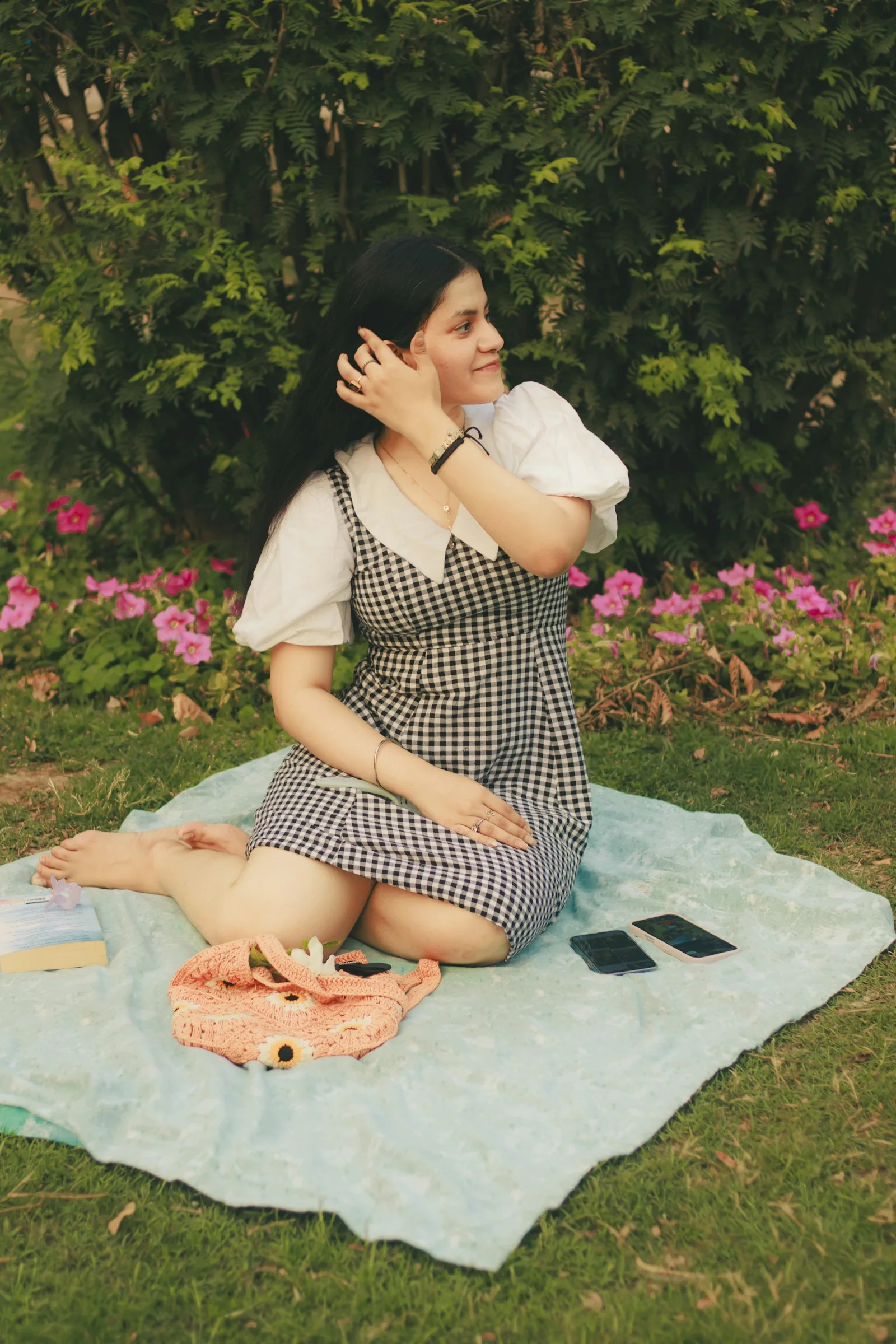
A quick park picnic and a long afternoon beside a playing field ask different things of a blanket. One may need a roomy, wipeable base for a shared lunch; the other may need a light layer to wrap around shoulders. Start with that distinction before choosing a fabric or a fashionable pattern. This is a buying framework based on published care information and everyday use scenarios, not a field test.
Decide whether you need a ground layer or a warm layer
For sitting on grass, examine the underside and the manufacturer’s description of ground protection. For wrapping around yourself, consider the feel, flexibility and packed size. A soft indoor throw may be pleasant on a dry bench but inconvenient on damp ground.
Do not treat water-resistant and waterproof as interchangeable. Rumpl’s product information, for example, describes its Original Puffy blankets as water-resistant rather than completely waterproof. That is a useful reminder to read the specific product wording instead of assuming that an outdoor label guarantees a dry seat in every condition.
Lay out the space you actually need
Use a sheet or an existing blanket at home to test the footprint. Sit the expected number of people on it with a basket or a few bags. Leave room to shift position without sending a cup or a book off the edge. The number in a product title may describe wrapping capacity rather than a comfortable picnic arrangement.
Measure the usable surface and compare the shape, not just the advertised person count. A long narrow blanket may suit two people sitting side by side, while a squarer layout can be more convenient for a small group facing each other. The right choice depends on the outing, not on the largest size available.
Imagine the walk back with it
A car-park picnic can accommodate a bulky roll that would be tiresome on a longer walk. Compare packed dimensions, weight, closure and the carrying handle or bag. Try using any strap over the coat or bag you normally take. A compact bundle is only helpful if you can repack it without a struggle.
Detachable straps are convenient until they are left on the grass. Consider whether the closure remains attached and whether the carrying bag has enough room for a slightly imperfect fold. A useful design makes the end of the outing as straightforward as the beginning.
Read the care label before committing to the fabric
Look at what you can realistically clean at home. Check whether the blanket is machine washable, spot-clean only or requires particular washing equipment. The instructions for a technical insulated blanket may differ from those for a simple picnic mat; one routine should not be applied to every material.
Rumpl’s care guidance specifies care methods for its own blanket families, including particular washing and drying considerations. Use that as an example of why the actual label matters. If a product’s cleaning requirements do not suit your household, a lower-priced simple mat or a different fabric may offer better practical value.
Buy for repeat outings rather than one ideal photograph
For a family with children, prioritize an underside you can clean, a usable size and a closure that is not fiddly. For a solo reader, a smaller easily carried blanket may make more sense. For sidelines or evenings, a warm wrap can be more useful than a large dining surface.
Check the return conditions and inspect seams, edging and included accessories when the blanket arrives. Keep it away from sharp or hot objects and follow its storage instructions. Let it dry as directed before putting it away. A blanket earns its place when it is easy to take along again, rather than when it promises to cover every possible outdoor occasion.
Useful places to look
Sources & further reading
Published sources for the details and examples discussed in this story.