A shoe bench can make an entrance more comfortable, but a narrow doorway demands a full-size rehearsal. The furniture needs room for someone to sit, remove shoes and stand again while others still pass. Measure that activity rather than treating the bench's closed outline as the whole requirement. Storage capacity is useful only after the entrance remains easy to use.
Rehearse the sitting space
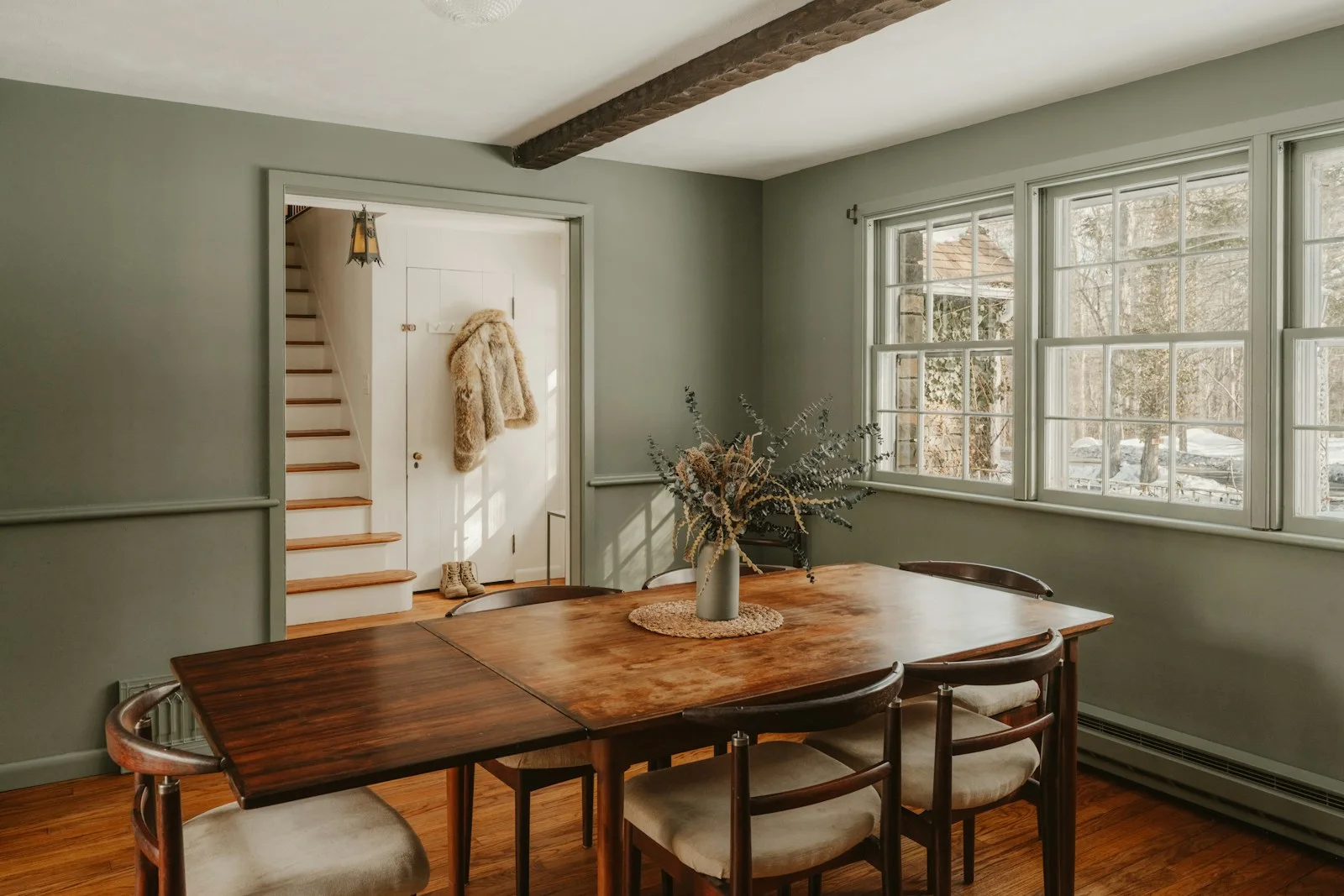
Use a suitable existing seat or a paper outline to understand the proposed position without improvising unsafe seating. Open the door fully and check nearby cupboards, radiators and switches. Imagine the seat occupied and shoes placed briefly in front of it. Leave the required routes and access clear. Ask the people who use the entrance about height and access needs rather than selecting a bench by photograph alone. A piece that looks compact against a blank wall can feel different when a coat, a bag and another person arrive at the same time.
Read the exact product's functions
Confirm that the item is intended for sitting and follow its capacity, assembly and care instructions. A low shelf is not automatically a bench. IKEA's HEMNES bench-with-shoe-storage listing provides measurements and product documentation, illustrating the detail to seek for any candidate. Check the complete dimensions and any installation requirements. Do not infer suitability from the number of shoes in a styled photograph. If the manufacturer information does not establish the use you need, ask before buying or choose a clearer option. A good entrance purchase should reduce uncertainty, not move it into the moment someone first sits down.
Count the shoes that belong by the door
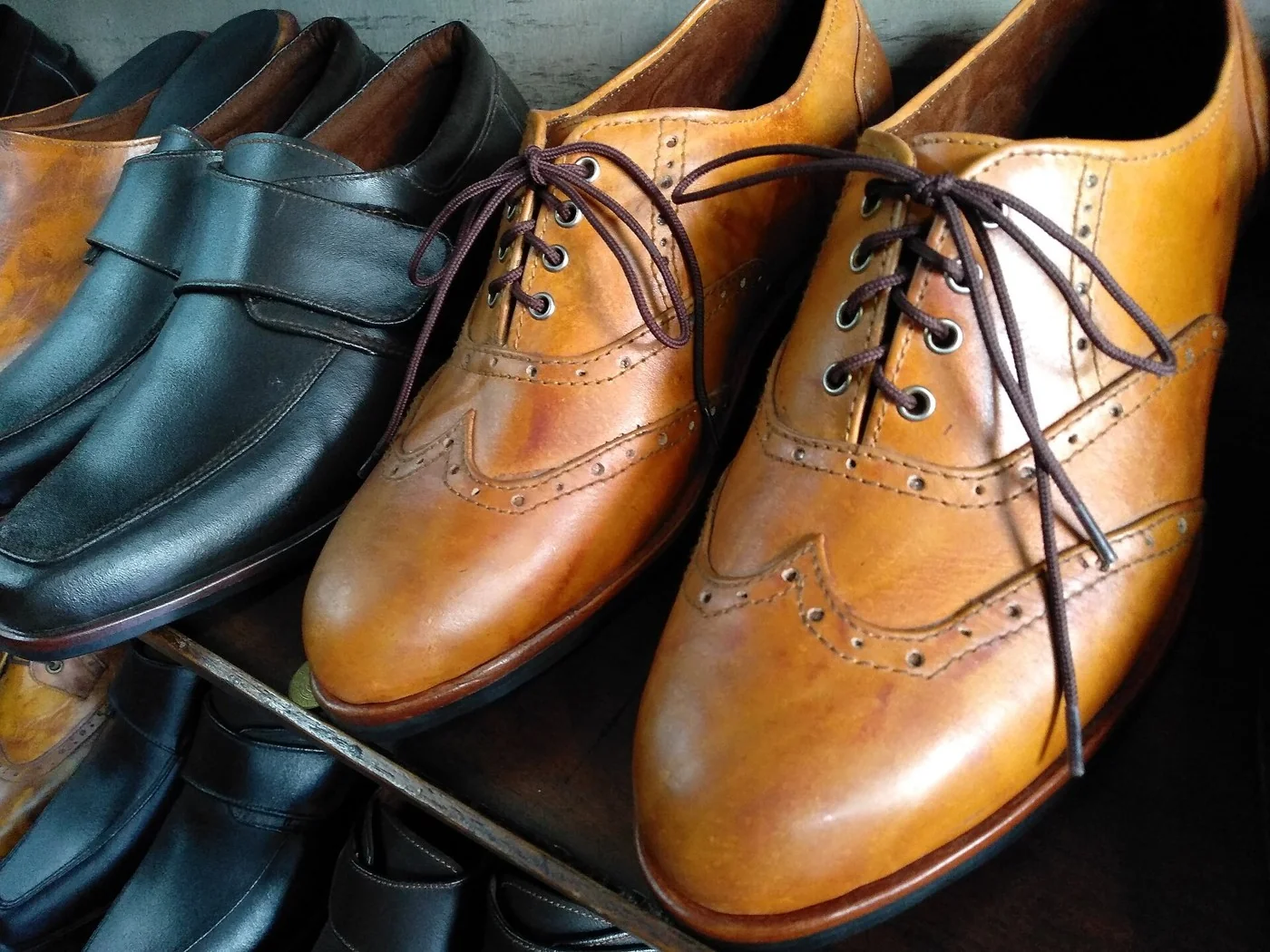
Choose a short active selection for the household rather than trying to store every pair in the entrance. Measure the tallest or widest items you plan to keep there. Boots may not fit the same shelf opening as low shoes, and bulky pairs may occupy more of the available width. Keep footwear requiring drying or cleaning in an appropriate arrangement according to its own care needs. A removable tray can be useful when suitable for the bench and floor, but do not add one automatically if it makes access awkward. Decide where less-used shoes live elsewhere in the home.
Compare the complete arrival routine
Try placing a coat and bag where they would normally go and check whether they interfere with sitting or reaching the shoes. Keep keys and small essentials in their own clear place rather than asking the bench to become a console table too. Before ordering online, check delivery access, assembly needs and return terms for the exact item. Revisit the paper footprint if a different model is wider or deeper. The best bench is one that supports a calm arrival and departure while leaving the entrance usable during the rest of the day, not the one that claims the largest theoretical shoe collection.
Sources & further reading
Published sources for the details and examples discussed in this story.