A plant can look like the one in a reassuring photograph while being sold under a broad or unfamiliar name. Before bringing it into a home with an animal, preserve the actual label and establish which plant and pet species are involved. A visual resemblance is not a toxicity determination, and a shop's decorative display is not a veterinary assessment. The useful question needs a reliable identity rather than a confident guess from leaf shape.
Begin with the actual label
Keep the plant's common and botanical name exactly as supplied, along with the seller or grower information available. If the label is missing, unclear or inconsistent, ask for clarification rather than assigning a name from an image search. A photograph can help an appropriate knowledgeable source identify a plant, but this article does not identify plants or certify an app's result.
The ASPCA's plant database explicitly warns that individual plants may look different from its photographs and tells readers to check the plant's name. Its listings can be viewed by scientific or common name and separated by relevant animal categories. That is a reason to preserve the actual identity and species context, not to choose whichever photograph most resembles the plant in the cart.
“Non-toxic” is not an unlimited permission
ASPCA also notes that its list is not all-inclusive and that consumption of plant material can still cause gastrointestinal upset in dogs and cats. A non-toxic listing should therefore not be expanded into permission to let an animal eat a plant or a guarantee about every possible exposure. Read the actual entry and its scope with the relevant professional guidance where needed.
Do not transfer an answer for one animal category to every pet in the household. If the available source does not cover the actual animal or plant identity, keep the question unresolved and consult an appropriate veterinarian or poison-information service. This guide supplies no safe quantity, feeding suggestion or home exposure test.
A hypothetical purchase decision
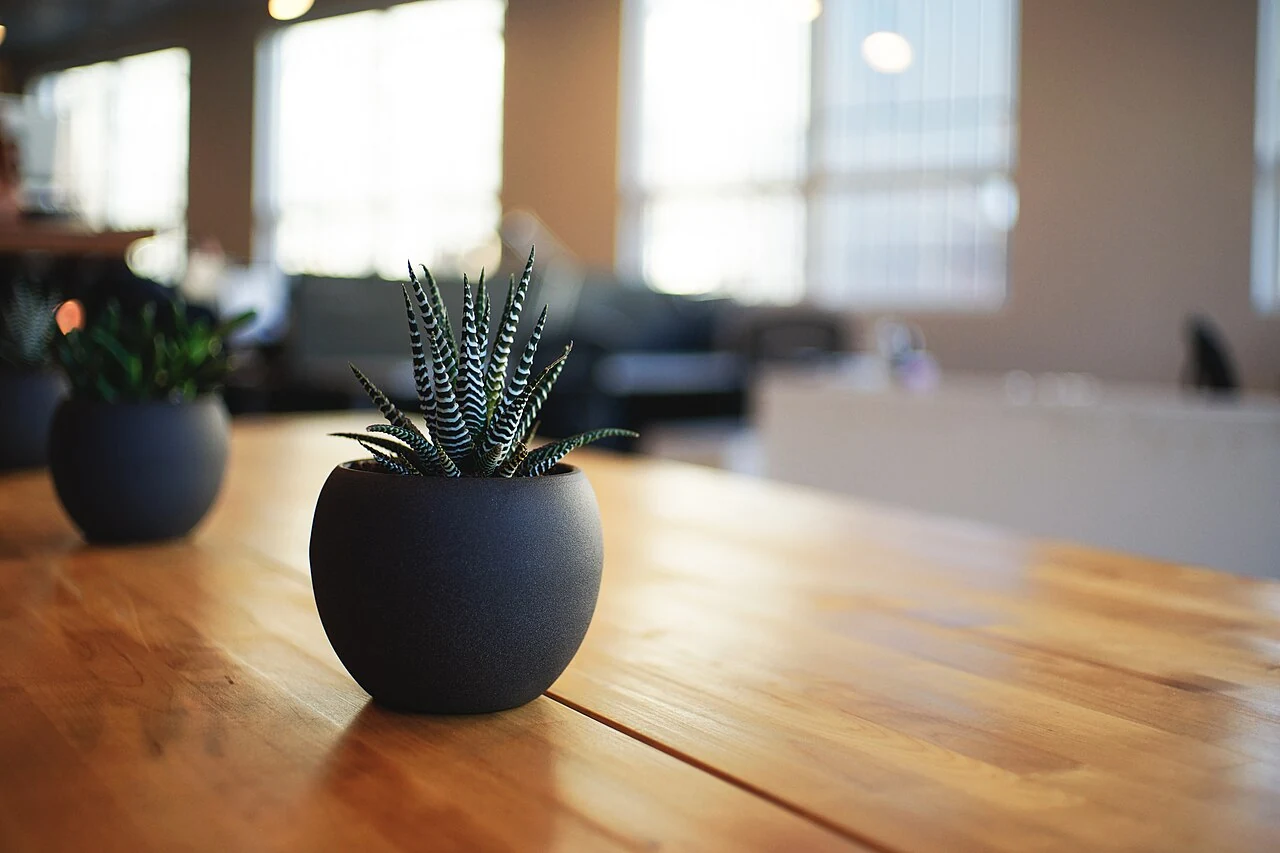
Imagine a reader finding two similar-looking potted plants, one with a clear botanical label and one described only by a marketing name. The second plant is not made identifiable by standing beside the first. Ask the seller to resolve the actual identity before treating either as an answer to the household's question.
The same distinction applies online. A listing photograph, a reviewer's pet in the background or a broad “pet friendly” phrase does not establish which plant will arrive or what the phrase covers. Before paying, seek the exact product identity and the basis for any relevant claim. A higher price, attractive pot or familiar shop name does not substitute for that information.
Keep accessories outside the plant identity
Knowing a plant's name does not describe every material sold with it. Soil treatments, fertilizers, decorative components or another included product may have their own instructions and questions. Do not infer that a plant database has assessed the entire retail arrangement because it lists the botanical name.
Use the actual maker or seller information for those additional materials and appropriate qualified advice for an animal-related concern. This article does not provide a comprehensive household hazard assessment or instructions to make an uncertain arrangement acceptable by moving it to a particular shelf. The practical boundary is that an unresolved identity or exposure question remains unresolved until addressed through a suitable source.
Exposure changes the task
If an animal may have ingested a poisonous substance or appears ill, ASPCA advises contacting a local veterinarian or its poison-control service. Do not delay that contact while trying to make a shopping comparison complete. Preserve the actual label and relevant information if doing so does not postpone appropriate help, then follow the professional instructions received.
Do not induce a response, offer a remedy or encourage the animal to interact with the plant to see what happens. The record's role is to describe the actual item and circumstances for an appropriate professional. It cannot diagnose an animal or prove that an exposure was harmless because the plant seemed familiar.
Sources & further reading
Published sources for the details and examples discussed in this story.