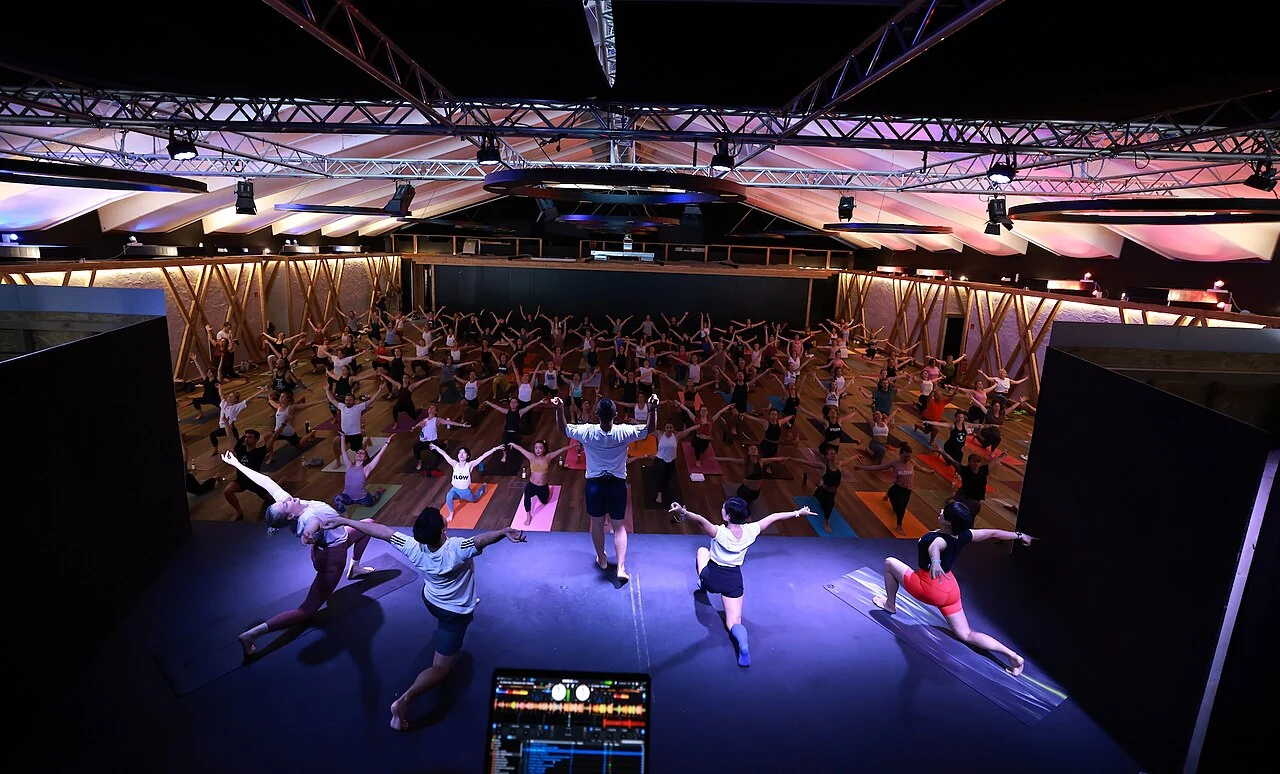
Two exercise classes can share a familiar name while presenting instructions in ways that feel very different to a newcomer. One may rely on seeing a demonstration, another may use continuous spoken cues, and a description may say little about either. Before booking, ask how the actual session communicates what participants are expected to do. This is a comparison of instruction formats and access questions, not an assessment of exercise safety or medical suitability.
A class title leaves several questions open
“Beginner,” “all levels” and a recognizable activity name do not describe every aspect of teaching. Ask whether the session includes an initial explanation, how movements are demonstrated, whether cues are spoken during activity, and when a participant can ask a question. Keep the enquiry about the actual session rather than assuming a label guarantees a particular pace or amount of individual attention.
For a hypothetical reader, the main difficulty might be following a demonstration while facing a different direction. Another person may need clearer spoken information. Those are different questions for the provider. A broad request for “an easy class” can conceal the actual communication need and invite an answer about intensity rather than how instructions are delivered.
Seeing and hearing are different parts of the format
The YMCA of Greater Seattle's first-yoga-class guidance discusses introducing oneself to the instructor and being able to see and hear instruction. That provider example supports asking about the teaching arrangement before assuming that a place at the back will work best. It does not establish a seating rule for every class or a guarantee about any particular instructor's practice.
Ask the actual provider what the room arrangement and instruction format allow. A livestream, recording and in-person session can create different opportunities to ask for clarification, so compare the specific format offered. Do not assume a recorded class includes live feedback or that an in-person booking guarantees one-to-one instruction throughout.
Describe the task that needs support
A focused enquiry might say: “Before I book, could you explain how the instructor demonstrates the sequence and gives spoken cues? I need to know whether I can follow without continuously watching a distant screen.” That tells the provider what information is missing without requiring a public account of personal health circumstances.
If an accommodation is needed, use the provider's appropriate private route and ask what can actually be arranged. Do not treat a general class description or a friendly initial reply as confirmation of every requested adjustment. This article does not determine legal accommodation duties or whether a particular adjustment makes participation appropriate for an individual.
Observation is an option to ask about
Some readers may prefer to ask whether a provider offers a way to observe the teaching format, speak with the instructor or review an accurate description before committing. Ask whether any such option exists; do not assume a free observation visit, trial or refund is available. Respect the actual session's privacy and booking rules rather than arriving unannounced to watch other participants.
A promotional clip may show the activity attractively without representing the complete instruction process. If it is relevant, ask whether it depicts the same class format and how current it is. A short demonstration is not evidence that every session will have the same pace, participants or instructor. Keep the comparison tied to what has genuinely been confirmed.
Leave suitability outside the format comparison
Clearer instruction does not, by itself, establish that an activity is medically suitable. If a health concern affects participation, seek appropriate qualified advice and communicate relevant needs through the provider's stated process. This guide supplies no exercise regimen, movement modification or instruction to continue through discomfort.
Likewise, avoid judging an instructor's qualifications from an energetic video or a class's brand name. Verify any relevant credential or service claim through the appropriate source if it affects the purchase. This article makes no independent credential assessment and claims no attended or tested class.
Buy for the confirmed teaching arrangement
Once the provider has answered, compare the actual format, access arrangements and booking terms with the reader's needs. Keep unresolved points visible before purchasing a series or equipment bundle. A mat, screen or premium subscription cannot substitute for knowing how the actual instructions will be communicated.
The outcome may be a clearer enquiry, a different format or a decision to wait. Those are useful results even without a booking. The important comparison is between the way the reader needs information and the way the session actually supplies it, rather than between activity names that sound equally welcoming.
Sources & further reading
Published sources for the details and examples discussed in this story.