For a familiar neighborhood walk, a bag can be small enough to become almost unnoticeable. The useful kit depends on the route, conditions and personal needs rather than the label walking bag. Before buying, lay out what you genuinely require and see whether an existing pocket or compact bag already handles it comfortably.
Describe the actual outing
Start with the length and nature of the route in ordinary terms: a short local loop, a stop at a shop or a longer walk with a break. Check conditions close to departure and consider any individual access or health needs. The CDC encourages adults to move more and sit less, but a bag purchase is not a fitness plan or individualized exercise advice. Seek appropriate professional guidance when needed. Choose equipment around the activity you can reasonably undertake rather than buying for an ambitious version of the outing that does not reflect current circumstances.
Edit the essentials on a table
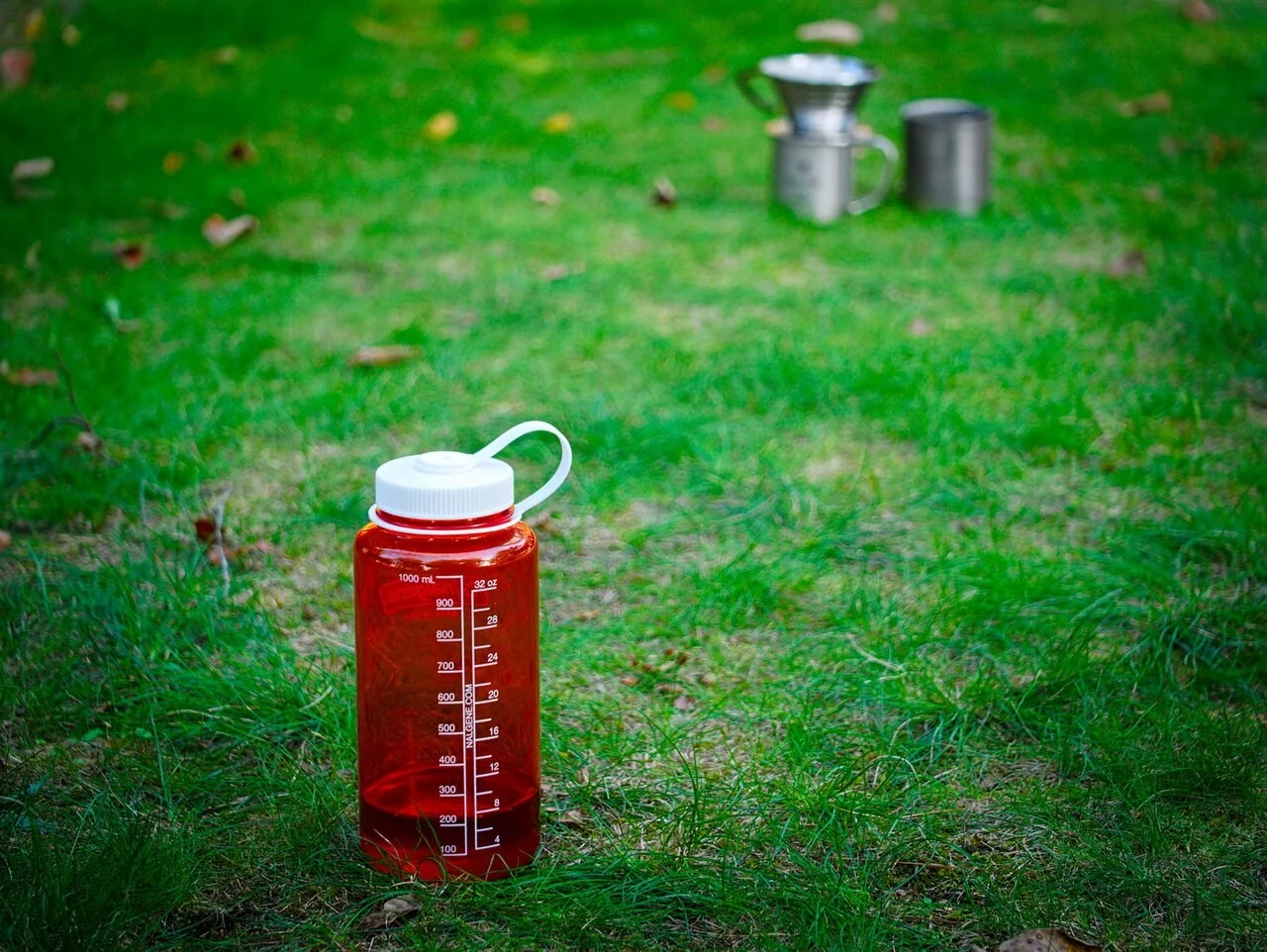
Put out keys, a phone in its usual case, any necessary personal items and what the route specifically requires. Do not add accessories simply because a bag has a pocket waiting for them. A payment method may be useful for a planned stop; several duplicate pouches may not be. Keep any medicines or health-related items according to the relevant professional and product instructions. Separate a potentially wet item from things that need protection. If carrying water, choose an appropriate container and a bag arrangement that can accommodate it without forcing the closure or placing undue weight on a small strap.
Rehearse the fit while moving
Try the bag over the clothing you expect to wear. Adjust it according to the maker's guidance and walk in a safe familiar space to notice slipping, bouncing or awkward access. A bag that feels fine when standing still can behave differently once you move. Check that you can reach essentials without unloading everything. Do not treat a snug fit as proof that a heavy load is suitable for you. Reduce unnecessary contents first. A comfortable existing crossbody, waist bag or jacket pocket may be adequate when the kit is truly small, while a different route may require a different arrangement.
Buy for one recurring problem
If keys are difficult to find, an accessible internal attachment may help. If a phone does not fit, compare usable dimensions with the case included. If the bag is uncomfortable, identify whether the strap, position or load causes the problem before replacing it. Read care and weather-use guidance without interpreting a vague outdoor label as a waterproof guarantee. Keep the purchase proportionate to repeated use. After each walk, return essentials to their usual places and let damp items dry as directed. A simple bag and a familiar reset can support the routine without making the walk depend on a growing collection of specialized accessories.
Sources & further reading
Published sources for the details and examples discussed in this story.