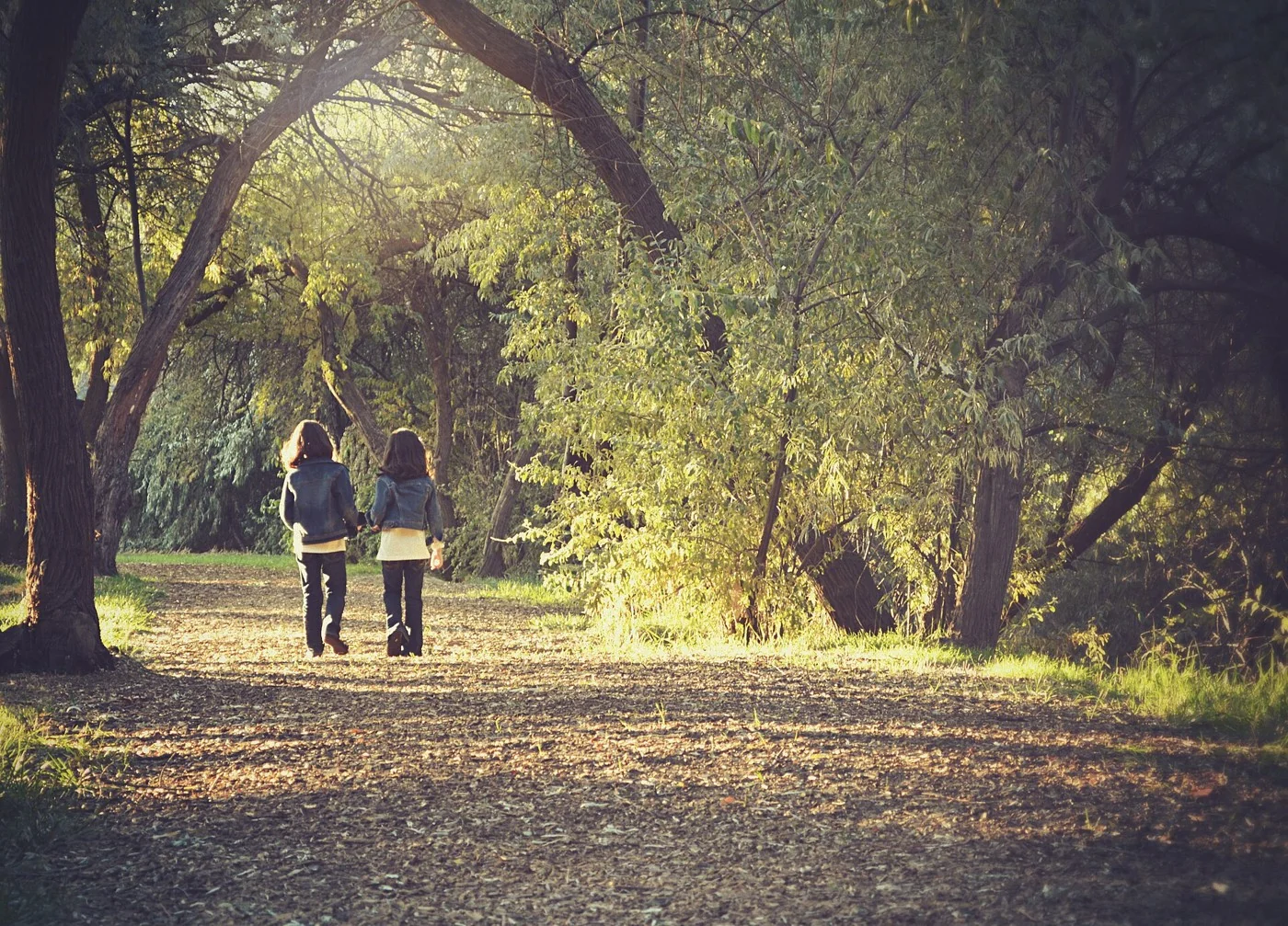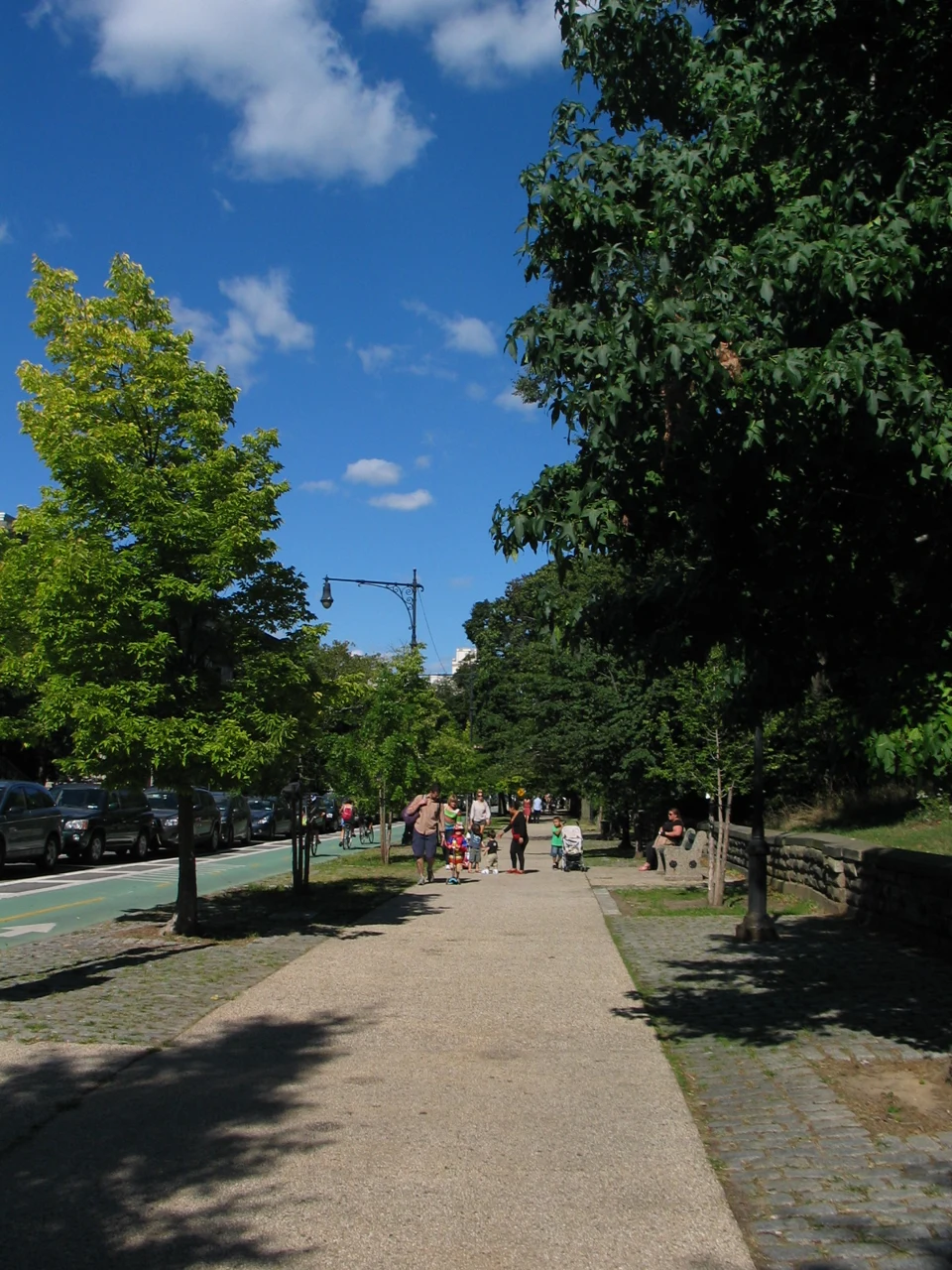
When two friends want an active afternoon together, agreeing to a walk may leave the most interesting choice unresolved. One person hopes to encounter something unfamiliar; the other wants to enjoy a place they already know. Neither preference necessarily means wanting a harder, longer or more ambitious outing. The difference may be what they hope to notice. The two plans below are invented examples for adults. Appropriate activity, feasible timing and suitable conditions are assumed to have been established separately for each person; this is not a route recommendation or individual exercise advice. CDC's general information about physical activity does not establish that an exploratory outing is healthier than a familiar one. Here the question is pleasure and company.
Ask what familiarity provides
Imagine Rowan and Jules have two equally feasible options. One is their familiar neighborhood garden; the other is an unfamiliar riverside public space. Rowan initially chooses the river because it is new. Jules chooses the garden because returning there feels like part of the afternoon's appeal, rather than a compromise made to avoid planning.
Asked what they would look forward to, Jules names the view through a row of arches toward a planted bed. They enjoy finding out which part of that view attracts their attention on another visit. Rowan wants the experience of encountering an arrangement they could not already picture. That is a more useful distinction than labeling one friend adventurous and the other unadventurous.
Both interests can support an enjoyable shared outing. What matters is whether the chosen afternoon actually makes room for its stated interest. Calling a familiar setting an adventure will not satisfy someone who wants unfamiliar surroundings. Equally, treating the garden as merely the convenient fallback dismisses the pleasure Jules finds there.
Plan one: return to a particular view
In the familiar-garden version, the pair return to the arches Jules mentioned. The imagined scene is concrete: the opening frames a low planted bed, with a pale wall beyond it. Jules wants to look at the relationship between the foreground plants and that background, rather than simply complete the usual circuit without attending to it.
Rowan can bring a fresh question to this known place: which part of the view did they previously overlook? They might notice the shape of the opening while Jules attends to the plants. These are possible interests in the fiction, not claims about a real garden's design or seasonal condition. A familiar place need not produce an identical experience, but neither friend has to manufacture a discovery to justify coming back.
A pause near the chosen view belongs to the plan because looking is part of its purpose. It is not a reward for reaching a distance or a place to calculate whether the outing counts as enough activity. The value of this version is revisiting something specific together, not disguising the old route as an efficiency system.
Plan two: encounter an unfamiliar setting
In the riverside version, Rowan's interest leads. The pair imagine arriving without knowing which ordinary feature will hold their attention: perhaps the changing relation between a landing and the opposite bank, or how a row of buildings appears beyond an open stretch. No particular structure, access arrangement or present-day route is asserted here.
Jules does not need to become the advance researcher who removes every unfamiliar element. Instead, they can bring their preference for sustained attention into the new setting. When something interests either person, they can choose a suitable established place to pause and look at that relationship for a while. Its suitability must be checked in a real outing; an appealing imagined view is not an access assessment.
This version offers novelty without requiring a stream of stops or a collection of photographs. It also permits a quieter interpretation: fewer things attended to closely, rather than a busier itinerary. The new setting remains the meaningful difference, not a higher performance target.
Choose what you would otherwise miss
If Jules especially wants to revisit that framed view, choosing it has a positive reason. If Rowan is eager for unfamiliar surroundings, the riverside version has a different positive reason. Say which experience matters this time instead of defending a preference as the objectively better outing. A purchased walking guide or new accessory will not resolve that difference for you.
Sources & further reading
Published sources for the details and examples discussed in this story.