An About page does not need an extraordinary founding story to become specific. A material the maker chooses, a part of the work they enjoy or a limitation they deliberately keep can give the reader something real to understand. The detail matters when it describes an actual practice, rather than when it makes an ordinary business sound larger or older. Etsy's help guidance describes the About section as a place for a business story, creative process and the people involved. It does not create those facts for a seller. The paragraphs below are original fictional examples for comparison, not the biography, production method or credentials of an actual maker.
Begin with a paragraph that could belong almost anywhere
Imagine this generic draft: “We create timeless products with passion, combining quality craftsmanship and innovative design. Our mission is to bring something special to everyday life through a carefully curated collection.”
The wording is not necessarily dishonest in every possible business. It is simply difficult to connect with a particular decision. We do not learn what the products are, what the maker chooses or which part of everyday life interests them. Adding another adjective would leave those questions unanswered.
The plural voice also needs an actual reason. A one-person maker can use a brand voice, but the page should not quietly suggest a studio team or a production history that does not exist. The useful revision begins with the underlying facts, not with finding a warmer synonym for timeless.
Give the invented maker a material and a preference
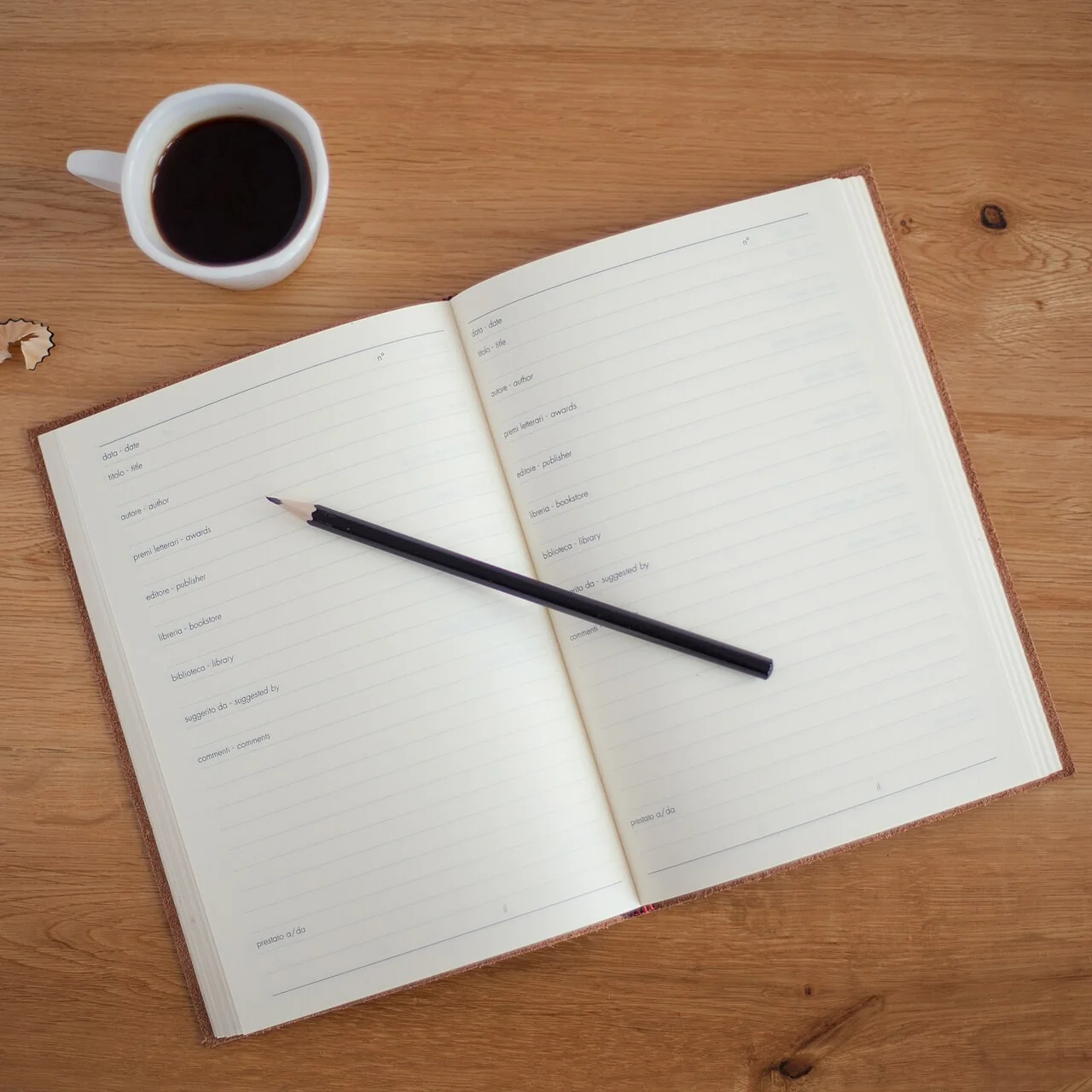
For this example, imagine a notebook designer who chooses plain uncoated cover stock because they like its quiet appearance. They prefer a broad blank area to elaborate decoration and enjoy making a small range of covers rather than introducing many designs at once. These are declared facts of the fictional scenario, not claims established about any real paper product.
An original revised paragraph could read: “I design notebooks with a broad, quiet cover and plenty of room for the writing inside. I choose plain uncoated cover stock because I like seeing the simple shape without a glossy-looking surface competing with it. I prefer working on a small group of covers at a time, changing a line or a color rather than building a new theme for every notebook. The collection begins with the kind of ordinary page I would want to keep using.”
The paragraph now supplies a product, a material choice and a working preference. A reader can decide whether those interests appeal. It still does not prove paper performance, responsible sourcing, hand manufacture or long-term durability, and those claims should not be inferred from its quieter tone.
Keep the preference separate from the specification
“I like its appearance” is a different statement from “this paper works with every pen.” The first can describe the fictional maker's preference. The second would need evidence about an actual product and use. Do not make a pleasant personal explanation do the work of a technical claim.
Likewise, an About paragraph is not a substitute for accurate product information. A buyer choosing a real notebook still needs the relevant dimensions, materials, format and applicable details. The page can explain why a maker made a choice without forcing every practical question into a miniature brand essay.
Revise the example around your own actual practice
A real maker should not adopt the fictional paragraph if they do not use that stock, design that format or work that way. The transferable move is to choose one true decision and explain its reason. A different maker might prefer richly illustrated covers or a wider range, and could describe that just as specifically.
Before paying for a new brand-story package, separate what you know from what you wish the business seemed to be. A photograph of the actual process or a short truthful paragraph may answer a real reader's question better than an invented heritage. No award, client list, team size or years of experience needs to appear unless it can be stated accurately.
Sources & further reading
Published sources for the details and examples discussed in this story.