An emergency bundle can look complete because it contains many pieces. A more useful shopping question is what each piece actually does. In FEMA’s 2014 Emergency Supply List, a flashlight and extra batteries serve a different purpose from the listed radio equipment. Separate those roles before comparing kits, then check the requirements of the equipment you actually own. A count of items alone leaves important gaps invisible.
| Source-listed item | Role to keep separate | Question for actual equipment |
|---|---|---|
| Flashlight and extra batteries | Portable lighting | What exact power source and spares do its instructions specify? |
| Battery-powered or hand-crank radio | Information reception | Which documented receiver and operating requirements are present? |
| NOAA Weather Radio with tone alert; extra batteries for both radios | Weather information and alert function | Does the actual equipment document this function and its power requirements? |
Read the relevant entries as separate roles
The basic list includes a flashlight and extra batteries. It also includes a battery-powered or hand-crank radio and a NOAA Weather Radio with tone alert, with extra batteries for both. One entry concerns portable lighting; the other concerns receiving information and alerts. A flashlight does not perform the radio’s job simply because both belong in the same household supplies.
The distinction helps when a seller advertises a combined emergency product. Read the current specifications for the exact model instead of assuming the product name establishes every function in the FEMA list. Keep the list’s wording beside the product description. A claimed lighting function, radio receiver and alert feature are separate questions to resolve in the manufacturer’s documentation.
Inventory actual equipment before buying the bundle
Start with what is present: the flashlight, any radio equipment, their instructions and the consumables each requires. Record the actual model rather than a generic label such as emergency kit. Where the instructions specify batteries, record the type and quantity for that device. Follow the manufacturer’s instructions for compatibility and storage; this article supplies no substitute battery specification.
Consider an invented household inventory: a torch uses AA batteries and its radio uses AAA batteries. Those details are hypothetical inputs, not specifications read from the cover photograph. Buying spare AA batteries would address one listed requirement while leaving the radio’s supply question unresolved. Writing both devices on separate lines makes that mismatch easier to notice before purchasing.
Separate readiness claims from runtime claims
The FEMA document discusses supplies sufficient to last at least three days. That planning context does not establish that an arbitrary flashlight will run continuously for 72 hours, or that a particular radio will receive an alert in a given room. Runtime, brightness, battery condition and operating details require information about the actual equipment.
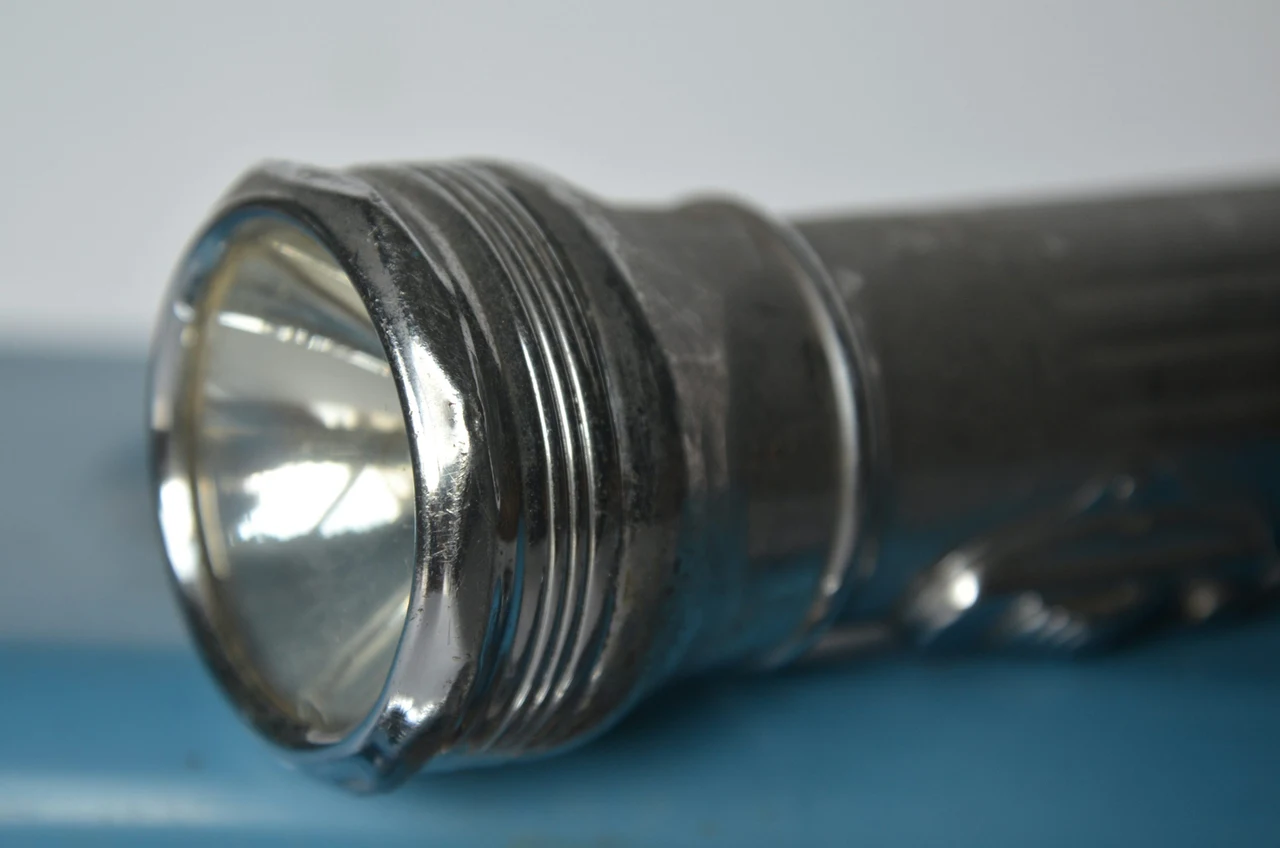
The cover image is a flashlight close-up. It records neither a functioning test nor a verified model specification. Treat it as ordinary lighting context. A seller’s runtime statement also needs its own conditions: check the stated mode, power source and any qualifications before comparing two products. A larger number without those conditions can be a poor basis for deciding which purchase fills the gap.
Write the unanswered question before opening a shop page
Useful inventory questions are concrete: Which device supplies light? What does its instruction sheet require? Which equipment supplies the information and alert roles described in the list? Which consumables are missing? Preserve an unresolved answer as unresolved rather than marking a whole bundle complete because it arrived in one box.
Suppose the household already has a documented flashlight and suitable spares but has no radio equipment. Another multi-pack of lights would add quantity to the role already covered. Comparing the missing information equipment and its requirements would address the actual inventory question. This is an original shopping example, not a claim that a particular household is prepared or that a named product has been tested.
Keep this small checklist inside the larger plan
This guide addresses only the lighting and radio portion of the 2014 list. FEMA’s document contains many other supply categories. Completing these rows does not establish complete emergency readiness, and this narrow comparison should not replace current local instructions or the full list. It also does not teach electrical work, utility shutoffs or water treatment.
The cited 2014 PDF does not list phone chargers or power banks. Those products may appear in a modern shop bundle, but do not attribute them to this source or count them as substitutes for its separate entries. Keep manufacturer instructions with the actual equipment, compare the seller’s current specifications and return conditions, and purchase against the missing role rather than the largest advertised item count.
Sources & further reading
Published sources for the details and examples discussed in this story.